 Lavantia
Review the evidence behind the recommended twenty-second handwashing guideline and see how surfactant action unfolds. You will improve your technique to remove pathogens without scrubbing your skin raw.
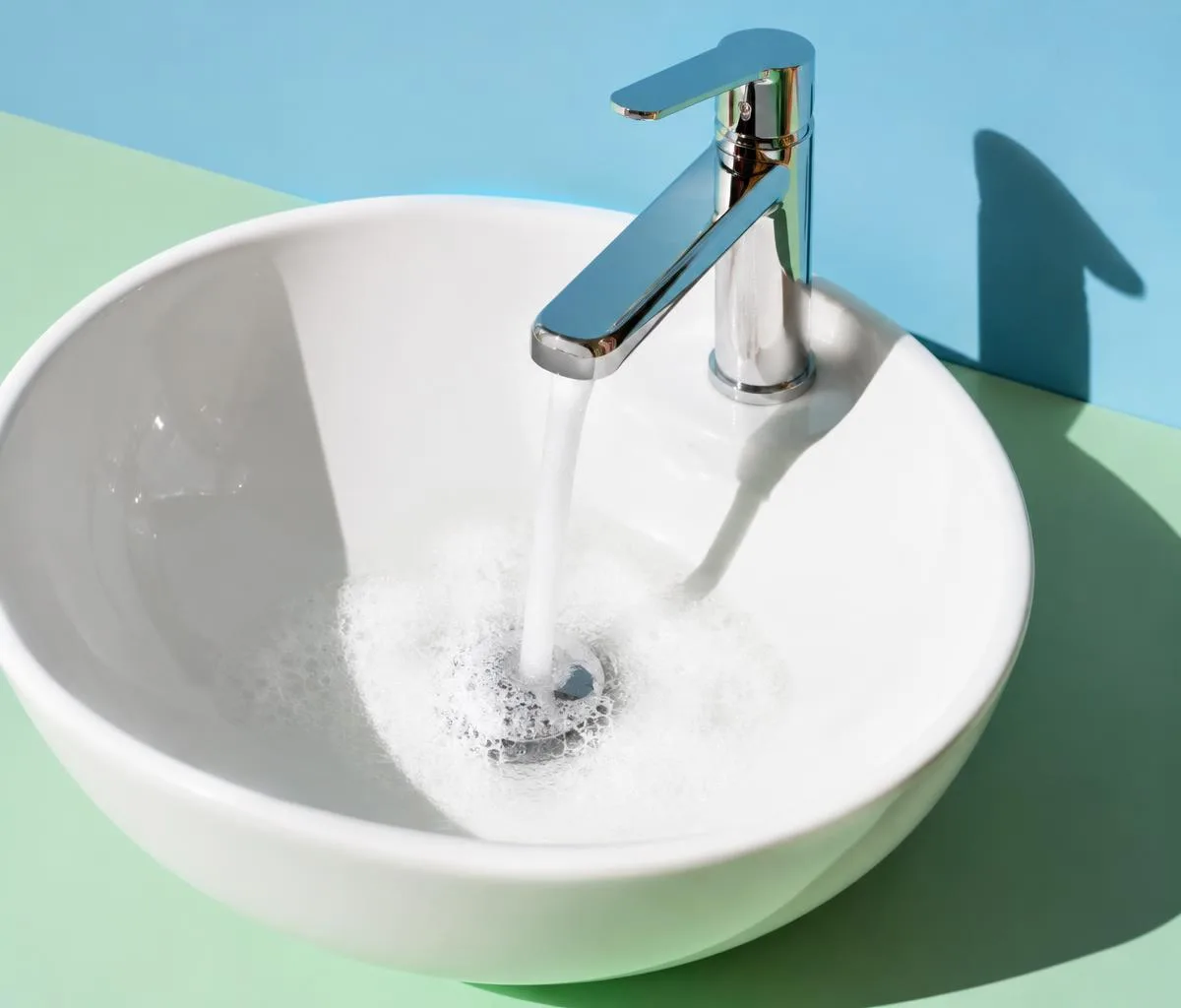

- Twenty seconds of soapy friction is required to break down lipid membranes and lift grime.
- Focusing on fingertips, thumbs, and webbed spaces cleans commonly missed zones.
- Drying thoroughly is just as important as washing because damp skin transfers microbes quickly.
Most of us learned to wash our hands before dinner when we were small children, usually prompted by an adult who was inspecting fingernails with quiet skepticism. Over the past few decades, however, that simple habit has transformed into a topic of rigorous public health study. The central question remains remarkably consistent: exactly how many seconds at the sink are necessary to clear away grease, soil, and pathogens without turning the skin of your hands into parchment?
The standard guidance points to twenty seconds. While that sounds straightforward, the science underlying that brief window involves physical friction, fluid dynamics, and the chemistry of surfactant molecules breaking through oily biofilms. Understanding what occurs during those twenty seconds turns a robotic chore into an intentional, highly effective hygiene routine.
The physical mechanism of soap lathering
Soap does not kill most organisms on contact like a high-heat autoclave. Instead, it relies on simple, elegant biophysics. A standard soap molecule features a split personality: a hydrophilic (water-attracting) head and a lipophilic (fat-attracting) tail. The skin of your hands produces natural sebum, a waxy oil that traps environmental dust, bacteria, and viral particles. Water alone cannot dislodge this oily matrix because oil and water do not mix.
When you lather soap with water, the hydrophobic tails burrow into the skin oils and the lipid membranes that surround many common viruses and bacteria. The hydrophilic heads remain pointed outward toward the water. As you work your hands together, the friction shears the oils apart, encapsulating the fragments into microscopic spheres called micelles. The outer shells of these micelles are entirely water-soluble, which allows the trapped dirt and microbes to rinse cleanly down the drain.
This molecular dismantling takes a measurable amount of time. A quick swipe of soap followed by an immediate splash of water leaves the majority of the sebum intact on the stratum corneum. Generating a rich, stable lather creates millions of these tiny surfactant structures, but the lather requires mechanical energy from your muscles to distribute across every crease and ridge of your epidermis.
Without sufficient mechanical action, soap acts merely as a lubricant. The rubbing of skin against skin supplies the shearing force needed to pry stubborn microbial cells out of the microscopic valleys of your fingerprints. It is the combination of surfactant chemistry and physical abrasion that does the heavy lifting.
Why twenty seconds remains the clinical benchmark
The recommendation to scrub for twenty seconds is not an arbitrary figure pulled out of a hat. Epidemiological models and microbiological trials have tested various time intervals, ranging from five seconds up to several minutes, to measure log reductions in bacterial counts on human hands.
Washing for five to ten seconds produces an unreliable reduction in transient flora, often leaving between 60% and 75% of microbial colonies behind, particularly around fingernails and calluses. Extending the scrub from ten to twenty seconds yields a steep drop in viable pathogens. Beyond twenty seconds, the curve begins to flatten. Scrubbing for forty or sixty seconds does remove a marginal percentage of additional organisms, but the rate of return drops sharply while the risk of stripping protective skin lipids climbs significantly.
| Duration of Wash | Mechanical Efficacy | Impact on Skin Barrier |
|---|---|---|
| 5 to 10 seconds | Low: misses deeply seated oils and narrow skin folds | Minimal lipid disruption |
| 20 to 30 seconds | Optimal: balances friction and surfactant dwell time | Tolerable for most skin types when moisturized |
| 45 to 60 seconds | High: standard for surgical preps, unnecessary for daily life | High risk of barrier irritation and dryness |
The twenty-second benchmark represents the sweet spot where you maximize pathogen removal while preserving the integrity of the epidermal barrier. Singing the full "Happy Birthday" song twice under your breath remains the classic kitchen timer, even if humming it to yourself over a public sink feels slightly ridiculous.
The map of frequently missed hand zones
When people wash their hands absent-mindedly, they tend to rub their palms together in a circular motion, rinse the front of their hands, and reach for a towel. Decades of visual research using fluorescent dyes illuminated under ultraviolet light show that this habitual technique leaves substantial surface area untouched.
The most frequently neglected region is the thumb, particularly the dorsal aspect and the web space between the thumb and index finger. Right-handed people tend to wash their left hand slightly better than their right, and vice versa, because their dominant hand exerts more deliberate friction.
- The hyponychium and subungual spaces: The areas directly under the free edge of your nails house the densest microbial communities on the hand. A flat palm rub never reaches them.
- The interdigital webs: The soft valleys between your fingers regularly escape friction unless you actively interlace your fingers while scrubbing.
- The backs of the fingers and knuckles: When you make a loose fist, the skin over the knuckles stretches and exposes deep lines that harbor debris.
- The perimeter of the wrists: Most everyday washes stop abruptly at the heel of the palm, leaving the lower wrist untouched despite contact with desks and tabletops.
To address this uneven coverage, clinical hand hygiene protocols incorporate specific motions: interlacing the fingers, gripping each thumb in the opposite palm with a rotational twist, and pressing fingertips into the opposite palm to push soap beneath the nails. These steps guarantee that the full twenty seconds are spent covering every square millimeter rather than polishing the palms repeatedly.
Water temperature myths debunked
A widespread assumption holds that hot water cleans hands better because heat kills germs. In culinary and medical sterilization, extreme heat does eliminate bacteria, but those processes require temperatures well above boiling, or sustained water temperatures above 60 degrees Celsius. Water hot enough to kill bacteria on your hands in twenty seconds would cause third-degree burns within seconds.
Rigorous comparative studies have evaluated handwashing efficacy across temperatures ranging from 15 degrees to 38 degrees Celsius. When soap volume, friction, and duration remain identical, the water temperature produces no statistically significant difference in microbial reduction. Cold water removes soil and transient pathogens just as effectively as comfortably warm water.
Using hot water poses a distinct downside for skin health. High water temperatures accelerate the dissolution of the natural intercellular lipids (ceramides, cholesterol, and free fatty acids) that keep the skin barrier waterproof and intact. Over time, hot water produces dry, cracked skin, which actually creates microscopic fissures where bacteria can lodge and multiply. For regular washing, lukewarm or cool water is gentler on your hands and consumes significantly less domestic energy.
The hygiene function of paper versus cloth towels
Drying your hands is not merely a comfort measure; it is an active, vital phase of the decontamination process. Wet skin transfers microbes far more readily than dry skin. If you wash meticulously for twenty seconds and walk away with damp hands, your skin will pick up and shed microorganisms from the next door handle or phone screen at a high rate.
The method of drying matters just as much as the wash itself. Friction during the drying phase mechanically removes residual microorganisms that were loosened by the soap but remained on the skin surface after rinsing.
| Drying Method | Frictional Removal | Cross-Contamination Risk | Skin Comfort |
|---|---|---|---|
| Single-use paper towels | High: physically wipes away remaining organisms | Low: discarded immediately after use | Gentle if patted rather than scrubbed |
| Shared hanging cloth towel | Moderate to high | High: retains moisture and cultivates bacterial transfer | Soft on skin initially, degrades if damp |
| Jet air dryers | None: relies entirely on air velocity | Moderate: can disperse droplets into surrounding air | Can lead to chapping through rapid evaporative loss |
In shared or public environments, single-use paper towels offer the clearest advantage. They apply direct friction, absorb moisture within ten to twelve seconds, and leave the skin dry without aerosolizing water droplets. If you use a cloth towel at home, rotate it into the laundry hamper every couple of days, and ensure it hangs in an area where it dries completely between uses.
Protecting hands when washing dozens of times daily
For parents of young infants, food service staff, gardeners, and healthcare professionals, washing twenty or thirty times in a single day is common. Frequent contact with water and alkaline soaps can compromise the stratum corneum, leading to irritant contact dermatitis. Symptoms include rough texture, stinging, erythema, and cracking.
Preserving hand health under high-frequency washing requires careful management of surfactant choice and moisture retention:
- Choose syndet or gentle liquid bars: Traditional cold-process soaps often carry an alkaline pH between 9 and 10, which temporarily shifts skin pH. Synthetic detergent bars (syndets) formulated around pH 5.5 clean just as effectively while causing less disruption to the acid mantle.
- Do not scrub with excessive pressure: Friction should be thorough, not aggressive. You are coaxing soap across surfaces, not scouring a cast-iron skillet.
- Adopt the three-minute rule: Within three minutes of drying your hands, apply a pea-sized amount of moisturizer containing humectants (such as glycerin) and occlusives (such as shea butter or squalane) to seal in residual water.
- Substitute alcohol-based hand rub when soil is absent: If your hands are not visibly greasy or soiled with organic matter, a pea-sized drop of an alcohol-based sanitizer with added emollients is actually gentler on the lipid barrier than a full soap-and-water cycle.
If your hands develop persistent redness, weeping fissures, or chronic itching that fails to respond to over-the-counter barrier creams, consult a board-certified dermatologist. Ongoing skin barrier breakdown can require targeted anti-inflammatory ointments or patch testing to rule out allergic contact dermatitis.
Common mistakes
Even conscientious individuals fall into habits that blunt the effectiveness of hand hygiene. Avoiding these straightforward missteps ensures that your effort pays off completely:
- Pumping soap onto bone-dry hands: Soap needs water to form an emulsion. Applying concentrated surfactant straight to dry skin increases local irritation and makes it harder to spread the lather uniformly. Always wet your hands under running water before dispensing soap.
- Rinsing from wrists down to fingertips: When rinsing, keep your fingertips pointed downward so the soapy runoff flows off the tips of your fingers directly into the drain, rather than washing dirty water backward across your clean wrists.
- Using fingertips to operate the exit handle: After drying your hands thoroughly with a paper towel, use that same towel to turn off the faucet and push open the restroom door before dropping the paper into the waste bin.
- Air-drying by flicking hands: Shaking hands vigorously into the sink basin leaves them damp, setting up the exact moisture conditions that encourage bacterial pickup from the next surface you touch.
Practical next steps for your daily routine
Building a better handwashing habit requires no specialized equipment, only a brief shift in attention. To set up an effective routine at home and work, consider these practical adjustments:
- Prime the station: Place a bottle of gentle, unscented liquid wash beside your sinks alongside clean, absorbent towels. If multiple people share the space, assign distinct hand towels or switch to a wall-mounted paper dispenser.
- Follow a consistent movement pattern: Wet your hands with cool or lukewarm water. Apply a single pump of soap. Work palms together, cross palms over the back of each hand, interlace the fingers, rub the backs of the fingers in opposing palms, clean both thumbs with rotational grips, and work fingertips against the palms.
- Rinse and dry completely: Hold hands under running water until all slipperiness disappears. Pat dry thoroughly with a clean towel, spending extra care between the fingers.
- Rebuild the barrier: Keep a tube of rich hand cream directly beside the soap dispenser. Applying a small drop immediately after drying ensures you replenish lipids before the skin experiences evaporative dehydration.
Dedicate twenty steady seconds to the sink basin, use water at a comfortable temperature, and finish with a proper drying technique. This basic mechanical ritual remains the single most reliable foundation for daily personal hygiene.
This publication provides general hygiene information only; consult a board-certified dermatologist or healthcare professional for specific skin conditions. Disclaimer