 Lavantia
Find out how sweat, friction, and synthetic athletic fabrics can cause clogged pores and folliculitis. You will learn straightforward steps to stay clean and fresh when an immediate shower is not possible.
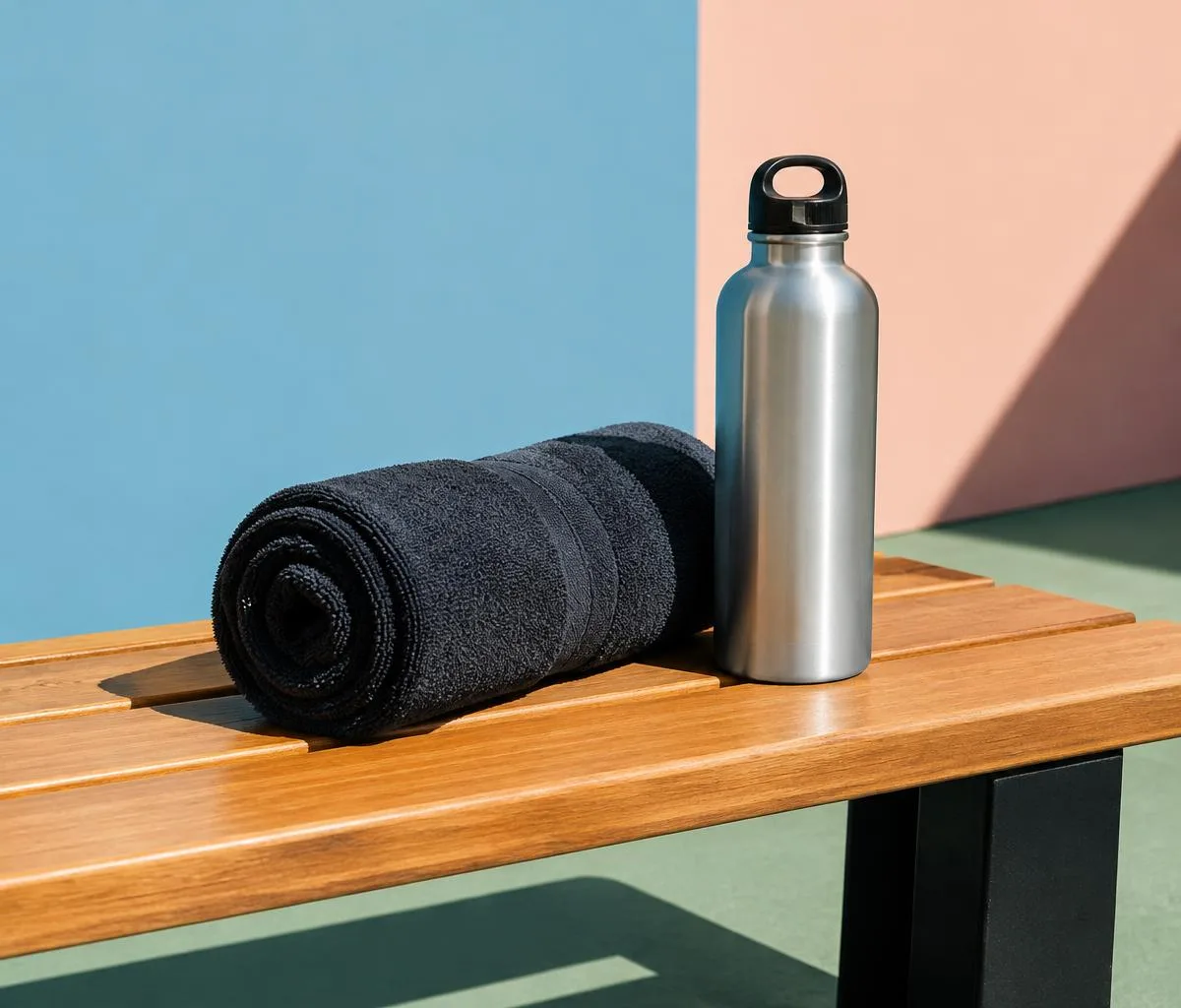

- Changing out of damp workout clothes immediately prevents fungal and bacterial proliferation.
- Rinsing with cool water removes salt residue without stripping the protective skin barrier.
- Salicylic acid cleansers help keep sweat ducts clear along the back and chest.
A hard workout delivers an undeniable mental boost, but the skin on your chest, back, and shoulders often tells a less triumphant story an hour later. Red bumps, clogged pores, and tender friction spots frequently follow vigorous training sessions. These flare-ups rarely stem from sweat alone. Fresh sweat is mostly water and dissolved minerals, which causes very little trouble on its own. The complication arises when that moisture becomes trapped against the surface of your body, creating an accidental greenhouse for microbes.
Managing post-exercise skin health does not require a ten-step routine or an overhaul of your entire day. It comes down to understanding how heat, moisture, and synthetic fabrics interact with your natural skin microbiome, and establishing a few repeatable habits right after you finish your final set. With a few deliberate choices in the locker room and at the washing machine, you can keep your pores clear without adding unnecessary friction to your day.
The interaction between sweat, skin flora, and tight activewear
Human skin is home to a balanced ecosystem of bacteria and fungi, including Cutibacterium acnes and Malassezia yeasts. In ordinary conditions, these organisms feed on natural sebum and exist quietly without triggering an inflammatory response. Physical exertion alters this balance rapidly. As your core temperature climbs, your eccrine glands pump out water and salt to cool you down, while your sebaceous glands release lipid-rich sebum.
Modern workout apparel relies on elastane, polyester, and nylon to deliver compression and four-way stretch. While these materials move well during a sprint or a heavy squat, they sit directly against the skin under sustained tension. This tight fit produces two distinct physical challenges:
- Occlusion: Synthetic fibers trap warmth and humidity against the epidermis, softening the outer layer of keratin and making hair follicles more vulnerable to blockages.
- Mechanical friction: As you move, damp fabric rubs continuously over the hair follicles on your shoulders, back, and thighs. This mechanical irritation produces micro-tears and drives surface bacteria deeper into the pore, a clinical pattern known as acne mechanica.
When sebum, sloughed-off skin flakes, and moisture pool beneath tight compression wear, C. acnes multiplies rapidly, breaking down sebum into irritating free fatty acids. Similarly, Malassezia yeast thrives in humid, lipid-rich settings, leading to small, itchy, uniform pustules across the upper chest and back that are frequently mistaken for standard hormonal acne.
The window of time before breakouts begin
The period immediately following a workout is when bacterial proliferation accelerates. Within 15 to 20 minutes of cooling down, the sweat on your skin begins to dry, leaving behind a crust of salt, protein, and concentrated sebum. If tight activewear remains in place during this cool-down phase, that residue is held tightly against your pores while skin temperature remains elevated.
Extending this contact window to 45 or 60 minutes, perhaps while driving home or running a quick errand on the way back from the gym, dramatically increases the likelihood of follicular inflammation. Follicles remain dilated from exercise-induced heat, and the constant micro-movement of damp clothing acts like a squeegee forcing debris into the pore openings.
If your schedule does not permit an immediate full-body wash, simply peeling off damp clothing within the first 10 minutes cuts down microbial proliferation substantially. Exposing the skin to open air drops its surface temperature, halts active perspiration, and stops the mechanical rubbing that turns minor surface bacteria into tender red papules.
What to do when a full shower is unavailable
Rushing from a workout directly into a meeting or a long commute is a common reality. When access to running water is out of reach, a tactical five-minute field clean protects your skin until you can take a proper shower later in the day.
- Strip out of damp clothing: Remove your sports bra, compression shorts, socks, and synthetic shirt immediately. Even changing into a dry, loose cotton t-shirt without washing is vastly superior to sitting in technical fabrics damp with perspiration.
- Wipe down high-density sweat zones: Use large, alcohol-free cleansing wipes or a soft washcloth soaked in micellar water. Prioritize the upper back, center of the chest, underarms, groin, and the band beneath your sports bra. Avoid alcohol-heavy wipes, which strip the protective lipid barrier and trigger compensatory oil production.
- Target congested areas with salicylic acid: Keep pre-soaked pads containing 2% salicylic acid in your gym bag. Salicylic acid is oil-soluble, meaning it penetrates through residual sebum to dissolve dead skin cells inside the follicle lining. Swipe once over breakout-prone zones, but avoid aggressive scrubbing.
- Dry the skin thoroughly: Use a clean, dry cotton towel to press away any remaining moisture before putting on clean clothes. Pay attention to skin folds, such as the under-bust area and hip creases.
- Dress in loose, natural textiles: Put on fresh, loose-fitting cotton, linen, or bamboo garments. Loose clothing allows air to circulate, keeping the skin cool and preventing further friction against sensitive pores.
Choosing body washes for active skin
A basic perfumed bar soap or a heavily fragranced shower gel is rarely adequate for someone training four or five days each week. At the same time, overly aggressive antibacterial washes can strip away beneficial flora, leaving the skin dry, flaky, and more prone to opportunistic infections. The goal is targeted cleansing using proven active ingredients that target specific skin concerns.
The table below outlines common active ingredients found in body washes suited for active individuals, along with their primary indications and practical usage notes:
| Active Ingredient | Primary Target | Recommended Strength | Usage Instructions |
|---|---|---|---|
| Salicylic Acid (BHA) | Clogged pores, blackheads, mild acne mechanica | 1% to 2% | Lather onto skin, leave for 60 seconds to penetrate oil, then rinse thoroughly. |
| Benzoyl Peroxide | Inflammatory red pustules, bacterial folliculitis | 2.5% to 5% | Apply to damp skin, leave for 2 minutes before rinsing. Note: will bleach colored towels. |
| Zinc Pyrithione | Fungal folliculitis (Malassezia), itchy upper-body bumps | 1% to 2% | Work into a lather across chest and back. Allow 2 minutes of contact time before washing off. |
| Colloidal Oatmeal or Ceramides | Chafing, friction rash, barrier repair | Standard formulation | Use on off-days or irritated skin to restore hydration without clogging follicles. |
Higher concentrations are not always superior. For example, a 5% benzoyl peroxide wash cleanses bacteria just as effectively as a 10% formula while creating significantly less dryness, peeling, and redness. If your skin shows symptoms of persistent irritation, deep painful cysts, or widespread rashes that do not improve after two weeks of using targeted washes, schedule an appointment with a board-certified dermatologist for a formal assessment.
Proper laundry routines for moisture-wicking synthetic fabrics
You can wash your body meticulously, but if your workout shirts and leggings carry residual bacteria and oxidized sebum from previous sessions, you reintroduce those irritants to your pores the moment your body warms up. Synthetic fibers are hydrophobic, meaning they repel water, but they are oleophilic, meaning they cling tenaciously to skin lipids.
Standard household laundry practices often fail to clean performance gear properly. In some cases, common laundry habits actually lock odor and bacteria into the weave. Follow these steps to keep activewear truly clean:
- Never leave damp activewear in a crumpled pile: Tossing wet workout clothes into an unventilated hamper creates a breeding ground for mildew and anaerobic bacteria within hours. If you cannot run a wash cycle immediately, hang your garments over the edge of the basket or a drying rack to dry completely first.
- Skip fabric softeners entirely: Liquid fabric softeners and dryer sheets work by depositing a thin, waxy coating of silicone or lipids over fibers to make them feel smooth. On athletic apparel, this waxy layer coats the moisture-wicking channels, trapping dead skin cells, bacteria, and body oils inside the fabric permanently.
- Select an enzyme-based sports detergent: Standard detergents struggle to break down human sebum at low wash temperatures. Use a sports-specific detergent or a heavy-duty liquid detergent containing protease and lipase enzymes, which digest body proteins and oils directly.
- Incorporate white vinegar for stubborn odors: To remove persistent musty smells, add 120 milliliters of plain distilled white vinegar to the fabric softener dispenser of your washing machine. The mild acetic acid cuts through mineral scale and breaks down trapped detergent residues without degrading elastic fibers.
- Wash inside-out in cool or warm water: Turn every pair of leggings, compression shorts, and shirts inside out prior to washing, since the inside of the garment holds the vast majority of dead skin cells and sweat residue. Wash at 30 to 40 degrees Celsius to protect the integrity of the elastane fibers, and tumble dry on low heat or hang dry.
Caring for gym bags and reusable exercise gear
A damp gym bag acts as a transfer hub for dirt and environmental microbes. Sports bras, weightlifting belts, and boxing wraps spend hours sharing dark, enclosed spaces, passing microorganisms back and forth between wash cycles. Keeping your peripheral gear sanitary is a vital, frequently neglected aspect of skin hygiene.
Your gym bag itself needs deliberate maintenance. Polyester and nylon duffels should be turned inside out, emptied of receipts and chalk dust, and wiped down with a disinfectant wipe every two weeks. If the bag is machine-washable, run it through a gentle cycle once a month. Use dedicated interior compartments or a washable dry-bag pouch to isolate sweaty garments from clean clothes, notebooks, and water bottles.
Non-washable gear requires consistent attention directly after training:
- Yoga and exercise mats: Gym floors collect shoe dirt, sweat droplets, and cleaning chemical residue. After every workout, spray your mat with a solution of water mixed with a drop of gentle dish soap, or use a skin-safe disinfectant spray. Wipe it dry with a towel before rolling it up; rolling a wet mat seals in moisture.
- Heart rate monitors and chest straps: The elastic band sits against one of the highest-friction areas on the body. Rinse the fabric strap under warm running water after every single workout to clear out salt accumulation. Hand-wash it with mild soap once a week.
- Weightlifting belts and knee sleeves: Neoprene knee sleeves soak up substantial sweat. Turn them inside out to air-dry immediately after use, and wash them every two to three weeks in cool water with mild detergent. Air-dry them away from direct sunlight to prevent the neoprene from cracking.
- Helmets and protective headgear: If you cycle, skate, or spar, wipe down the interior foam and chin straps after each session. The forehead contact band is a primary culprit for persistent hairline breakouts.
Common mistakes
Even motivated athletes stumble into counterproductive habits that undermine clear skin. Correcting these four common missteps will instantly lower your risk of exercise-related breakouts:
- Scrubbing the body with a physical loofah: Aggressive scrubbing on sweaty skin damages the epidermal barrier, triggers micro-abrasions, and spreads existing bacteria across a wider surface area. Loofahs kept in damp gym showers also harbor mould and bacteria. Use your clean hands or a fresh cotton washcloth every time.
- Wearing clean activewear over unwashed skin: Putting clean leggings onto skin that already has dried sweat and oil from an earlier midday run simply restarts the friction cycle and drives old residue into open pores.
- Ignoring the workout towel: Using the same towel to wipe down public gym equipment and then mopping sweat off your forehead transfers fitness center grime straight to your face. Keep two towels, or reserve one side exclusively for your skin.
- Applying rich body lotions immediately after a shower: Heavy body butters and occlusive oils applied while your skin is still warm and flushing can trap residual heat and perspiration in the pores. Opt for light, non-comedogenic lotions or gel moisturizers.
Practical next steps
Clear skin alongside a demanding training routine does not call for an elaborate morning-to-night transformation. Start by packing a small post-workout hygiene kit to keep in your locker or car. Include a pack of alcohol-free cleansing wipes, a container of 2% salicylic acid pads, a clean face towel, and an extra change of loose cotton undergarments and clothing.
Next, audit your laundry setup. Stop using fabric softeners on synthetic activewear starting with your next load of laundry, and hang sweaty clothes over a drying rail rather than bunching them into an airtight basket. If you encounter deep, painful skin lesions or persistent irritation that resists these adjustments after three or four weeks, consult a physician or dermatologist to confirm whether you need targeted prescription care for folliculitis or hormonal acne.
This publication provides general hygiene information only; consult a board-certified dermatologist or healthcare professional for specific skin conditions. Disclaimer