 Lavantia
You will master the proper food safety guidelines for cleaning leafy greens, root vegetables, and soft berries. Discover why plain running water works better than commercial produce sprays or vinegar soaks.
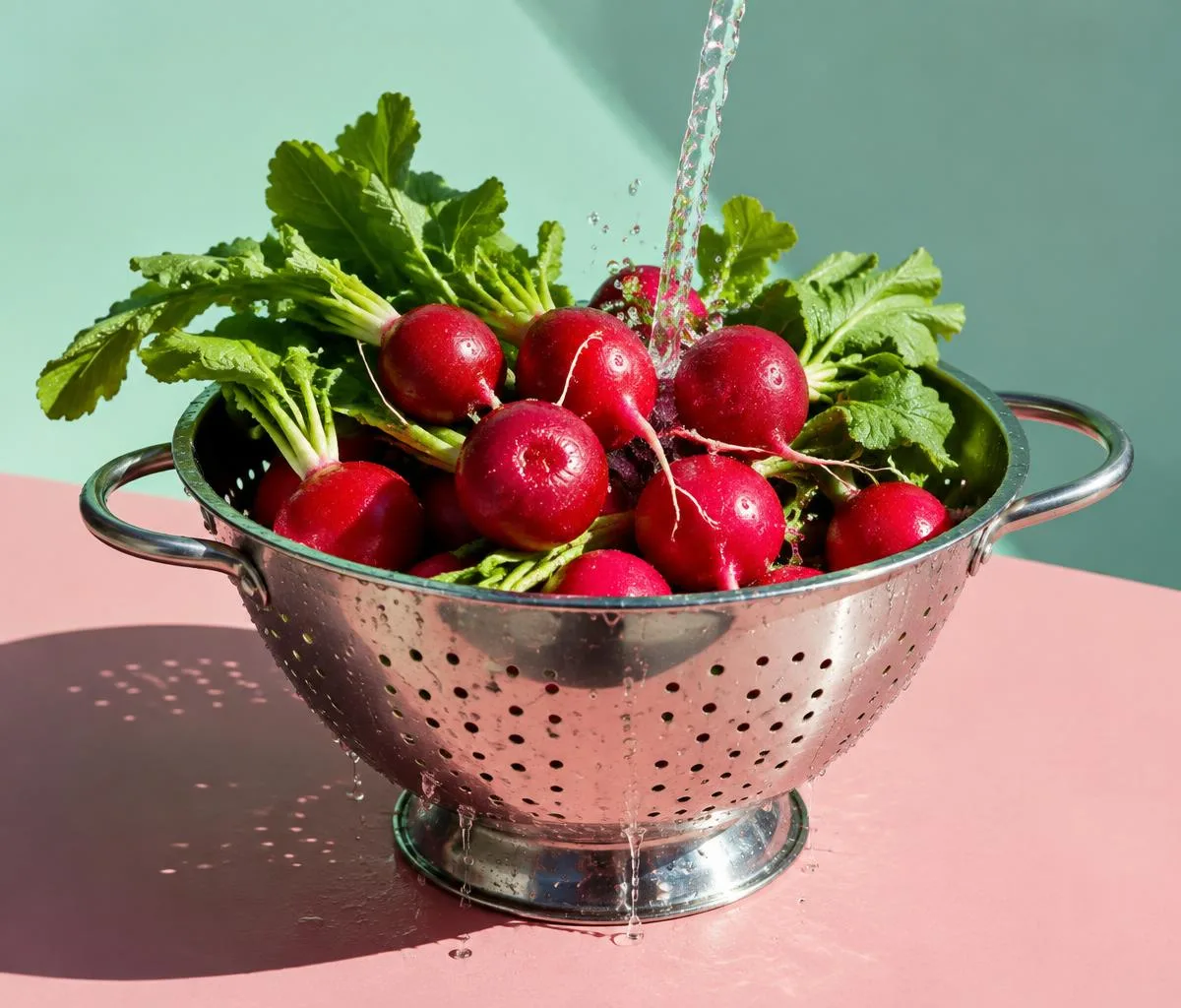

- Friction under cold running water removes the vast majority of surface bacteria and dirt.
- Commercial produce sprays offer no proven safety advantage over tap water.
- Drying produce with a clean paper towel provides a critical secondary reduction in surface microbes.
Most of us rinse an apple on the sleeve of our shirt or hold a carrot under a faucet for three seconds and call it clean. We know the food grew in dirt, traveled on pallets, and passed through several sets of hands before landing in the grocery cart, yet the actual process of cleaning it often feels like an afterthought. Water touches the skin, some visible grit runs down the drain, and we assume the job is finished. In reality, the surface of a plant is a complex landscape where physics, chemistry, and microbiology meet.
Safe washing is less about sterile eradication and more about reducing microbial load and chemical residues to levels your immune system can handle without breaking a sweat. Pathogens like Escherichia coli, Salmonella enterica, and Listeria monocytogenes do not simply sit loosely on top of an apple or a leaf of romaine. They anchor themselves to microscopic ridges, shelter inside pores, and bind to natural plant waxes. Removing them requires a balance of fluid dynamics, friction, and proper timing, all without turning your evening salad into a bruised, soggy mess.
Why surface contaminants cling to produce
Plants have evolved over millions of years to keep moisture in and weather out. To accomplish this, stems, leaves, and fruits develop an outer coating called the cuticle, composed largely of cutin and suberin embedded in hydrophobic plant waxes. While this barrier protects a cucumber from drying out on the vine, it also provides an ideal surface for fat-soluble pesticide residues to adhere to. Water alone rolls off these waxy surfaces in beads because the surface tension of the water droplet is higher than the attraction between the water and the wax.
Microorganisms encounter a different set of physical forces. Bacteria are microscopic, typically between 0.5 and 2 micrometers across. To a bacterium, the skin of a cantaloupe looks less like a smooth rind and more like an expansive canyon system with deep fissures, valleys, and cavernous stomata. Stomata are the microscopic pores plants use to exchange gases. When produce cools down after harvest, these pores can draw surface water, and any bacteria suspended in it, directly into the internal plant tissue through a process known as vacuum infiltration. Once inside the tissue, no amount of surface washing will remove them.
Bacteria also produce extracellular polymeric substances, often referred to as biofilms. A biofilm is a sticky matrix of sugars and proteins that functions like biological superglue. When an individual bacterium settles on a leaf or skin, it uses hair-like appendages called pili to tether itself, followed by the secretion of this matrix. Within hours, the colony is shielded against mild water currents, making simple rinsing ineffective against established microbial colonies.
Agricultural sprays add another layer of complexity. Many modern crop treatments include surfactants or wetting agents designed specifically to help the active ingredients spread evenly across waxy foliage and resist rain wash-off. The very formulation that keeps an antifungal spray working during a thunderstorm in the field makes it stubborn when you try to rinse it away at your kitchen sink.
Running tap water versus chemical soaks
The debate between running tap water and specialized soaking agents usually pits mechanical action against chemical dissolution. In public health laboratories, research consistently shows that mechanical force is the primary driver of contaminant removal. Running tap water delivers dynamic pressure and shear stress against the produce surface, physically knocking loose dust, fungal spores, insect fragments, and unattached bacterial cells, carrying them straight down the drain rather than allowing them to settle back onto the food.
Chemical soaks, including household solutions like diluted white vinegar or baking soda, operate on chemical reactions. Vinegar, which is typically 5 percent acetic acid, creates an acidic environment that can disrupt the cell membranes of certain bacteria and break down some mineral deposits. Baking soda (sodium bicarbonate), mixed at a concentration of approximately 10 grams per liter of water, creates a mild alkaline solution. Research from the University of Massachusetts demonstrated that a 12 to 15 minute soak in a baking soda solution was more effective at degrading specific surface-applied fungicides than tap water alone, thanks to alkaline hydrolysis breaking down the chemical bonds.
| Washing Agent | Primary Mechanism | Contact Time Needed | Main Drawback |
|---|---|---|---|
| Running Tap Water | Hydrodynamic shear force and dilution | 20 to 30 seconds | Requires continuous flow; lower degradation of systemic chemicals |
| Diluted Vinegar (1:3 ratio) | Acidic membrane disruption | 5 to 10 minutes | Can soften delicate tissues; leaves a residual odor |
| Baking Soda (1% solution) | Alkaline chemical degradation | 12 to 15 minutes | Requires prolonged soaking; ineffective against internalized bacteria |
| Commercial Produce Washes | Surfactant-mediated lipid solubilization | 1 to 2 minutes | Often costly without clear efficacy advantages over clean water |
Soaking produce in a stagnant bowl of water, however, introduces a critical risk: cross-contamination. If you place four heads of unwashed lettuce into a single basin of water, a localized patch of bacteria on one leaf can dislodge and disperse evenly across all four heads. If you choose to use a dilute baking soda soak for dense items like apples or bell peppers, always finish with a thorough rinse under cold running water to flush away the detached debris and lingering alkaline residue.
Dish soap, laundry detergent, and diluted bleach should never be used on fresh produce. Fruits and vegetables are porous. Soap surfactants and bleach compounds penetrate the cuticle and absorb into the edible flesh, leading to potential stomach irritation and chemical ingestion. Municipal tap water already contains low levels of residual disinfectant that are entirely safe to drink while remaining hostile to pathogens.
Proper scrubbing techniques for firm-skinned vegetables
Firm-skinned produce items, such as carrots, potatoes, winter squash, cucumbers, and melons, can tolerate significant mechanical friction. This friction is essential because rough surfaces provide shelter for soil particles that harbor bacterial spores. A cantaloupe, for example, features a netted rind that acts like a microscopic sponge for agricultural dust and irrigation water.
To clean these items effectively, follow a deliberate routine that focuses on friction rather than sheer force:
- Clean your hands and tools first: Wash your hands with warm water and soap for 20 seconds. Ensure the produce brush you plan to use has been sanitized, either by running it through a high-heat dishwasher cycle or soaking it in boiling water for two minutes. A dirty brush simply spreads yesterday's microbes onto today's vegetables.
- Adjust water temperature: Use running water that is close to the temperature of the produce, or slightly warmer. If you submerge cold vegetables into hot water, the thermal difference can create an internal pressure drop that draws water and surface microbes through the stem end. A moderate, cool stream works best.
- Apply firm, circular pressure: Hold the vegetable under the running stream and work the brush across the entire surface using overlapping circles. Pay close attention to the stem indentations, root tips, and any natural ridges where soil collects.
- Scrub before peeling: Never peel an unwashed carrot or potato. The moment the blade of your peeler cuts through a dirty skin, it drags surface grit and bacteria straight across the exposed flesh. Scrub first, rinse, and then peel.
For melons, scrubbing is not optional. When a chef's knife slices through an unwashed melon rind, the edge of the blade pushes bacteria from the surface directly into the sterile, sugary pulp inside. Even though you never eat the rind of a watermelon or honeydew, treating that rind with a thorough brush and running water significantly reduces your risk of foodborne distress.
Handling fragile berries and leafy greens without bruising
Soft produce cannot withstand the bristles of a brush. Berries, stone fruits, and tender leafy greens bruise easily, and bruised plant tissue leaks nutrient-rich cellular fluids that accelerate mold growth and feed opportunistic bacteria. A gentler, flow-based approach is required.
For leafy greens like spinach, kale, and loose-leaf lettuces, batch washing with clean water remains the safest method. Begin by trimming away the stem base and discarding damaged outer leaves, which carry the highest microbial counts. Fill a clean basin or the bowl of a salad spinner with cool tap water. Submerge the separated leaves and agitate them gently with your hands for 30 to 45 seconds. The motion creates enough liquid friction to pull away grit without crushing the plant cells. Allow the water to settle for 30 seconds so soil falls to the bottom, then lift the greens straight up out of the water. Never pour the water through a colander over the greens, as that dumps the settled sediment right back onto the leaves.
Berries require an entirely different strategy, largely dictated by time. Blueberries, raspberries, and blackberries harbor microscopic spores of gray mold (Botrytis cinerea) on their skins. Moisture acts as a biological trigger for these spores, causing them to germinate within hours. Because of this, berries should only be washed immediately before you intend to eat or cook them.
When you are ready to consume berries, place them in a colander in a single or double layer. Hold the colander under a gentle spray of cool water, rotating the bowl slowly so the stream reaches all sides without high pressure crushing the fruit. If you are dealing with wild or heavily soiled berries, a brief dip in a three-to-one solution of water and white vinegar, followed by a clear rinse, can slow down fungal development. Even then, they must be dried thoroughly if they are not eaten instantly.
The role of drying in microbial removal
Most home cooks treat drying as a cosmetic step to keep dressing from sliding off a salad. From an epidemiological standpoint, drying is a critical phase of physical decontamination. The friction applied by clean cloth or paper towels mechanically removes a substantial number of remaining microorganisms that survived the rinse.
Residual moisture left on produce creates a welcoming environment for bacterial replication. A single bacterium on a damp leaf at room temperature can divide every 20 minutes, yielding hundreds of thousands of descendants within a few hours. When you remove that thin film of surface liquid, you raise the osmotic pressure on microbial membranes and arrest active reproduction.
Using paper towels versus cloth
Disposable paper towels offer the cleanest option because they eliminate the risk of transferring bacteria from previous kitchen tasks. When wiping a bell pepper, apple, or cucumber, use moderate pressure with a clean paper towel to polish the skin dry. If you prefer reusable cloth towels to reduce waste, assign them solely to produce duty. A kitchen towel that was used twenty minutes earlier to wipe down a cutting board or dry wet hands after touching raw meat is essentially a microbial transport vehicle.
Operating a salad spinner effectively
For leafy greens, centrifugal force is the most efficient, non-destructive way to extract water from crevices. Centrifugal spinners rely on high rotational speeds to force droplets along the surface of the leaf until they break free through inertia. To maximize drying efficiency without damaging your greens, load the spinner basket no more than two-thirds full. An overcrowded spinner traps moisture in the center clump, leaving interior leaves wet while crushing the outer layers against the wall of the basket. Spin for 20 seconds, empty the collected water from the outer basin, and spin a second time for 10 seconds.
Storage habits that prevent bacterial regrowth
Once produce is washed, dried, or brought home from the market, proper storage dictates how long it remains microbiologically safe. Cold temperatures slow bacterial metabolic activity down to a crawl. Your refrigerator should maintain an internal temperature between 1 and 4 degrees Celsius (34 to 40 degrees Fahrenheit). Above 4 degrees, cold-tolerant pathogens like Listeria can continue to multiply, albeit slowly.
Moisture management within the refrigerator is a delicate balancing act. Produce drawers, or crispers, are engineered to control airflow. Vegetables that wilt quickly, like lettuces, celery, and herbs, require high humidity to maintain turgor pressure within their cells. Store these in a high-humidity drawer (closed air vent), lined with a clean paper towel to absorb standing drops of water while keeping the ambient air damp.
Conversely, fruits and vegetables prone to mold or rot, like apples, pears, and peppers, benefit from lower humidity (open air vent). Ethylene gas, a natural plant hormone released by ripening fruits like bananas, tomatoes, and cantaloupes, accelerates decay in sensitive neighbors like leafy greens, broccoli, and carrots. Always keep strong ethylene producers separated from your leafy brassicas to prevent rapid tissue breakdown, which invites bacterial decay.
Store washed, cut vegetables in airtight containers made from food-grade plastic or glass. Once the protective skin of a plant is punctured or sliced, internal juices leak, creating an ideal growth medium. Cut produce should never sit at room temperature for more than two hours, or more than one hour if the ambient temperature is above 32 degrees Celsius (90 degrees Fahrenheit). If you suspect mold or slime has set into cut produce, discard it entirely, as fungal hyphae can penetrate soft flesh well beyond the visible patch.
Common mistakes
Even well-intentioned cooks fall into habits that undo their cleaning efforts. Here are the most frequent missteps observed in domestic kitchens:
- Washing produce before long-term storage: Washing carrots, berries, or greens days in advance introduces moisture into the package. Unless you can dry the produce to absolute perfection, store it unwashed in breathable bags, and clean it right before preparation.
- Rinsing produce directly in a contaminated sink: Placing herbs or leafy greens directly into a sink basin exposes them to drain biofilms, which frequently contain colonies of Pseudomonas, Listeria, and coliform bacteria. Always use a sanitized bowl or a colander.
- Using warm or hot water on soft items: Hot water breaks down the delicate skin of tomatoes and stone fruits, cooking the outer cellular layers and creating soft spots that mold can colonize within hours.
- Ignoring pre-washed greens packaging: If a bag of greens is explicitly labeled "triple washed" or "ready to eat," washing it again in a home sink often does more harm than good, increasing the risk of cross-contamination from hands, colanders, and kitchen surfaces.
Next steps in your kitchen
Adopting a safer produce-handling routine does not require laboratory gear or industrial chemicals. It requires a few deliberate shifts in your daily workflow. Tonight, check the temperature of your refrigerator with an appliance thermometer to verify it sits firmly below 4 degrees Celsius. Designate one specific brush strictly for firm produce, run it through the dishwasher, and store it far away from your dish-washing sponge.
When you start dinner, make produce preparation your first task, well before any raw poultry, meat, or seafood comes out of the refrigerator. Keep clean paper towels or dedicated cotton tea towels close by, give your firm vegetables a steady scrub under cool tap water, and handle your berries with gentle care. For individuals with compromised immune systems, pregnancy, or chronic gastrointestinal disorders, specific dietary handling steps should always be confirmed with a qualified medical professional or certified clinical dietitian.
This publication provides general hygiene information only; consult a board-certified dermatologist or healthcare professional for specific skin conditions. Disclaimer