 Lavantia
Learn how damp bathroom environments turn woven cotton into a breeding ground for bacteria and mold. You will set a dependable laundering routine that keeps towels fresh and absorbent.
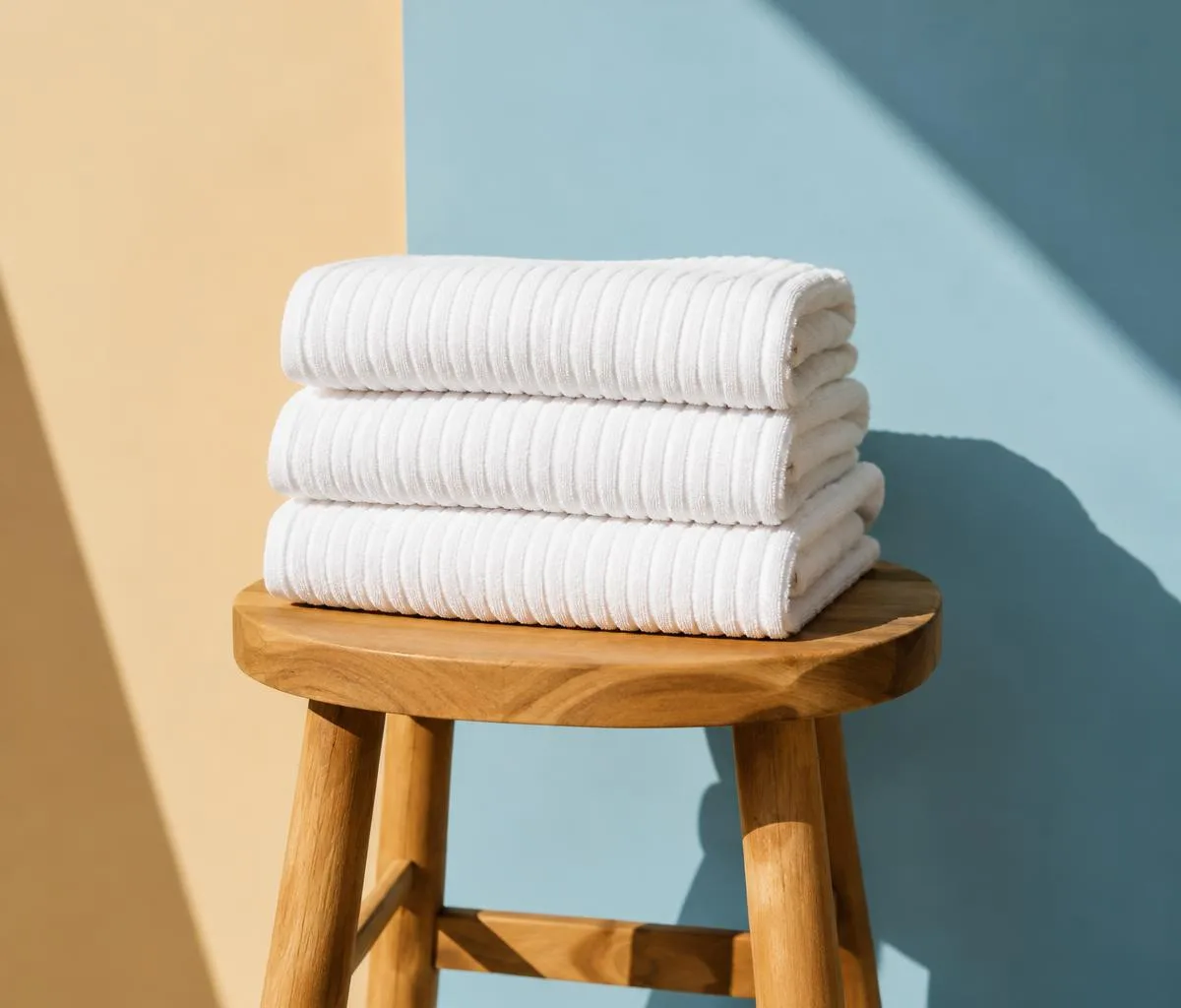

- Washing bath towels after three to five uses keeps bacterial counts low under normal drying conditions.
- Full air drying on a wide rail slows down microbial growth between wash cycles.
- High-heat laundering without excess fabric softener restores towel absorbency and removes mildew odor.
Most of us treat bath towels as clean by association. You step out of the shower at your cleanest, wipe down, and hang the fabric back on a rack. Because the towel only touched clean skin and water, it looks pristine, smells mild, and seems ready for another week of service. Yet a bath towel is a dense textile matrix designed specifically to trap water, and that very quality makes it an ideal landing pad for microscopic debris.
Deciding how often to launder your towels is not about chasing an impossible standard of sterility. Instead, it comes down to managing moisture, bacterial growth, and fiber breakdown before your towel starts working against your skin. A few simple adjustments to your weekly routine and drying habits can keep your linens genuinely fresh without shortening their lifespan in the washer.
What actually accumulates in a used bath towel
Every time you dry off, friction removes dead epidermal cells from the surface of your skin. Even after a thorough scrub with soap, your skin sheds thousands of cells each minute. These protein-rich cells settle deep into the terrycloth loops, alongside traces of natural body oils, sweat salts, and cosmetic residue from soaps, conditioners, and moisturizers.
Once those organic materials lodge inside a damp textile, resident skin flora begins to multiply. Bathrooms are warm, humid, and frequently poorly ventilated, creating ideal conditions for bacteria such as Staphylococcus epidermidis and micrococci to flourish. If a towel stays damp for more than two hours, fungal spores and environmental molds can also establish colonies within the cotton core.
The musty odor people associate with old towels is not the smell of damp cotton. It is the volatile organic compounds released by microbial waste products. When you reuse a heavily colonized towel, you transfer those microbes and oxidized oils back onto your skin, which can provoke body acne, folliculitis, or eczema flare-ups. Anyone managing persistent skin conditions should consult a dermatologist for personalized laundering guidance.
The standard three-to-five use rule explained
Under normal household conditions, washing a bath towel after three to five uses strikes the right balance between hygiene and fabric conservation. This guideline assumes one bath or shower per day, meaning a towel should rotate into the wash basket roughly every three to four days. It also assumes the towel dries completely between uses.
The three-to-five rule shifts depending on specific household variables. You should shorten the rotation to one or two uses under the following circumstances:
- Post-workout showers: Drying off sweat and residual gym grime introduces higher concentrations of bacteria and salts that degrade cotton fibers quickly.
- Humid climates: If ambient humidity prevents the towel from drying within four to six hours, microbial counts surge between showers.
- Illness or open skin lesions: Towels used during an active infection, whether a cold or a bacterial skin rash, should be washed after a single use to avoid reinfection.
- Sensitive or acne-prone skin: Those dealing with active facial or back breakouts benefit from using a fresh towel every one to two days to minimize surface irritation.
For hand towels, which dry multiple pairs of hands throughout the day and often stay damp constantly, the timeline is shorter. Hand towels in a shared bathroom ought to be swapped every two days, or daily if you have young children or frequent visitors.
Why hanging technique matters as much as wash frequency
How you store a towel between showers dictates whether it lasts five uses or turns rancid after two. The primary objective between uses is rapid evaporation. Bacteria require water to reproduce, so slashing the drying time stops microbial colony growth in its tracks.
A towel folded over a narrow hook bunches the fabric, creating deep folds where air cannot circulate. The outer shell may feel dry after four hours, but the bunched interior remains swampy for twelve hours or more. Spreading the towel out across a wide horizontal bar allows airflow across the entire surface area of the loops.
| Hanging Method | Average Dry Time | Airflow Exposure | Risk of Odor Buildup |
|---|---|---|---|
| Single Robe Hook | 8 to 14 hours | Very low (bunched fabric) | High |
| Double Peg or Wide Loop | 5 to 7 hours | Moderate | Medium |
| Flat Towel Bar | 2 to 4 hours | High (fully spread) | Low |
| Heated Towel Rail | 1 to 2 hours | Maximum (warm, spread) | Very Low |
Room airflow plays an equally vital role. If your bathroom stays steamy long after you leave, run the exhaust fan for at least twenty minutes after showering. If the room lacks mechanical ventilation, hang your towel in a bedroom or hallway where moving air can reach both sides of the fabric.
Selecting the right wash temperature for cotton
Washing towels on cold water settings saves energy, but cold cycles struggle to melt body lipids and loosen mineral deposits embedded in dense pile. High-grade cotton towels, particularly those woven with long-staple fibers, require thoughtful temperature management to stay clean without unraveling.
A wash temperature of 40 degrees Celsius (104 degrees Fahrenheit) works well for routine mid-week maintenance of lightly soiled colored towels. It protects dye integrity while activating modern enzymatic detergents. However, 40 degrees Celsius is insufficient to dissolve heavy body fats or deactivate tough fungal spores. To achieve genuine thermal sanitization, run towels at 60 degrees Celsius (140 degrees Fahrenheit).
Reserve 60-degree cycles for white towels, heavily used family linens, or every third wash for colored towels. Going higher than 60 degrees, such as using an aggressive boil-wash cycle, is rarely necessary with modern detergents and will prematurely degrade the cotton bindings, causing edges to fray and hems to pucker.
How fabric softener ruins towel absorbency
Commercial fabric softeners work by coating individual textile fibers with an oily, lubricated film of quaternary ammonium compounds or silicone derivatives. This coating flattens the fibers, making them slick to the touch and temporarily reducing static electricity. On clothing, this creates a soft feel; on towels, it is destructive.
Cotton absorbs moisture through capillary action in its hollow fibers. When a softener coats those fibers in a hydrophobic, waxy layer, the towel stops absorbing water and begins pushing it around on your skin. You are left with a towel that feels buttery soft on the shelf but performs like a plastic sheet in the bathroom.
Over several months, this waxy buildup traps detergent residues, minerals, and bacteria inside the core of the yarn. The towel grows progressively stiffer, repels water, and develops an immediate sour odor the second clean moisture touches it. Ditch liquid softeners entirely for towels, and avoid dryer sheets, which transfer the same waxy compounds in the tumble dryer.
Clearing stubborn sour smells from thick loops
If your towels smell clean when dry but instantly reek like old cheese when damp, they have accumulated a crust of detergent residue and trapped minerals. Standard laundry detergent cannot cut through this barrier on its own. You need an acid wash followed by an alkaline rinse to strip the buildup.
Run a hot vinegar cycle
Load the smelly towels into your washing machine without any clothing. Do not add commercial detergent or laundry pods. Pour 240 milliliters (one standard cup) of plain white distilled vinegar directly into the drum or detergent drawer. Set the machine to its hottest cotton cycle, ideally 60 degrees Celsius. The acetic acid in the vinegar breaks down alkaline detergent deposits, dissolves hard-water scale, and neutralizes odor-causing salts.
Run a second cycle with sodium bicarbonate
Leave the towels in the machine once the first cycle completes. Do not dry them yet. Add 120 grams (half a cup) of sodium bicarbonate (baking soda) directly into the wash drum. Run another hot cycle, again omitting regular laundry detergent. The baking soda acts as a mild alkaline scouring agent, deodorizing the refreshed loops and lifting the remaining vinegar residue.
Tumble dry thoroughly on medium heat
Dry the stripped towels on medium heat until no residual moisture remains in the deep hems. Avoid over-drying on high heat, which scorches the cellulose tips and makes cotton brittle. If weather permits, hang them outside in direct sunlight for four hours; ultraviolet light provides a natural sanitizing effect that synthetic fragrances cannot replicate.
Common mistakes
Even well-intentioned laundry routines often harbor habits that shorten towel longevity and encourage bacterial growth. Review these common pitfalls:
- Overloading the wash drum: Towels are heavy and expand dramatically when wet. Filling the drum past three-quarters capacity prevents the fabric from tumbling freely against itself, leaving soap and dirt trapped in the folds.
- Using excessive detergent: More soap does not equal cleaner towels. Excess suds fail to rinse cleanly out of dense terry loops, creating a gummy paste that feeds mildew. Use roughly half the detergent cap recommended for standard clothing loads.
- Leaving wet towels in the machine: Forgetting a finished load in the washer for even an hour allows anaerobic bacteria to colonize the damp pile, undoing the benefits of the wash cycle.
- Relying on fragrance to mask odors: Scent boosters and heavily fragranced pods cover up the volatile compounds produced by bacteria without eliminating the colony. When the fragrance fades, the sourness returns.
Practical next steps for fresh linens
Transforming your towel care takes only a few minor shifts in your laundry day setup. Start by auditing your bathroom storage. If you currently hang your daily towel on a peg behind the bathroom door, install a simple wide bar on an open wall to cut your drying time in half.
Next, set up a dedicated laundry schedule. For a typical two-person home, keep four full-sized bath towels in rotation: two in active use on bars, and two ready in the linen closet. Swap the active towels every Sunday and Wednesday, washing the outgoing pair at 60 degrees Celsius without fabric softener. If any older towels currently harbor that stubborn, damp-sponge odor, run them through the two-cycle vinegar and baking soda stripping method this weekend to restore their original absorbency.
This publication provides general hygiene information only; consult a board-certified dermatologist or healthcare professional for specific skin conditions. Disclaimer